
Let’s get one thing straight—South Africa is not playing around when it comes to protecting minors from gambling. The legal framework here is strict, intentional, and laser-focused on keeping kids and teens far away from betting activities. Whether it’s slot machines, sports betting, or online casino games, underage gambling is a big no-no.
Why Is Underage Gambling a Serious Issue in South Africa?
Underage gambling is a growing concern in South Africa, especially as the popularity of digital gambling platforms continues to surge. With smartphones, mobile data, and online betting apps becoming more accessible than ever, minors are increasingly exposed to gambling opportunities that were once limited to adult-only environments. The issue lies not just in accessibility, but in how seamlessly gambling is now blended with everyday digital life, often disguised in gaming features or social media promotions. For young people, the line between entertainment and risky behavior is dangerously thin.
Psychologically, adolescents are more vulnerable to the addictive nature of gambling. Their brains are still developing, particularly in areas responsible for impulse control, decision-making, and risk assessment. This makes them more likely to chase losses, fall into compulsive patterns, or develop unrealistic beliefs about winning. Once gambling habits take root at a young age, they often persist into adulthood, increasing the chances of long-term financial distress, mental health issues, and damaged social relationships. These are not just theoretical risks—numerous case studies across South Africa reveal real stories of youth facing severe consequences due to early gambling exposure.
Social and economic factors also play a role in making underage gambling a serious issue. In communities with high unemployment and poverty, gambling is sometimes seen as a quick escape or a hope for financial relief—even among teenagers. When young people witness adults betting frequently or celebrating gambling wins, it reinforces the idea that gambling is normal, or even necessary, for survival or success. This cultural normalization creates a breeding ground for underage participation, making legal enforcement even more difficult.
Moreover, the regulatory bodies face ongoing challenges in keeping up with the evolving digital landscape. Unlicensed betting sites and offshore platforms often bypass South African regulations, making it harder to monitor and block access for minors. While domestic operators are required to implement strict age-verification measures, foreign and illegal sites rarely follow suit. This leaves a dangerous loophole where young users can gamble online with minimal barriers. All of this combined makes underage gambling not just a legal issue—but a public health crisis in the making.
What’s the Legal Gambling Age in South Africa?
| Gambling Activity | Legal Age | Is Parental Consent Allowed? | Exceptions | Applicable Law/Regulation |
| National Lottery | 18 | No | None | National Gambling Act, 2004 |
| Horse Racing Betting | 18 | No | None | National Gambling Act, 2004 |
| Casino Games (Table & Slots) | 18 | No | None | National Gambling Act, 2004 |
| Bingo | 18 | No | None | National Gambling Act, 2004 |
| Online Gambling | 18 | No | None | National Gambling Act + Online Regulations |
The Core Law: National Gambling Act 2004
South Africa’s National Gambling Act of 2004 serves as the cornerstone for the entire gambling industry in the country. This comprehensive legislation does far more than just legalize gambling; it establishes a detailed regulatory framework that governs every aspect of gambling operations. Crucially, the Act defines what constitutes legal and illegal gambling activities, with a strong emphasis on protecting vulnerable groups such as minors from participating in gambling. Understanding the key provisions and requirements of this law is essential to grasp how South Africa controls its gambling landscape.
- The Act legalizes gambling in South Africa under strict conditions and licenses.
- It sets the minimum legal gambling age at 18 years, banning underage participation.
- The Act establishes the National Gambling Board (NGB) as the central regulatory authority.
- Provincial governments are empowered to create their own provincial gambling boards to oversee local operations.
- The law requires all gambling operators to obtain licenses and comply with strict operational standards.
- It mandates age verification procedures to prevent underage gambling at all licensed venues and online platforms.
- The Act prohibits the advertisement and promotion of gambling to minors.
- It defines and prohibits illegal gambling activities, including unlicensed operations and underage participation.
- Operators are obligated to implement responsible gambling measures, such as self-exclusion programs and limits on betting.
- The Act includes penalties for violations, including fines, suspension, and cancellation of licenses.
- It specifies the legal framework for monitoring and reporting suspicious activities, including underage gambling incidents.
- The law governs lotteries, casinos, betting, and other forms of gambling under one unified system.
- The Act allows for regular audits and inspections of gambling operators by regulatory authorities.
- It addresses the distribution of gambling revenues, including contributions to public welfare and responsible gambling initiatives.
- The Act emphasizes the protection of minors by making it a criminal offense for any person to allow, encourage, or facilitate underage gambling.
- It mandates the seizure and forfeiture of winnings from underage gamblers.
- The legislation incorporates mechanisms for public education and awareness campaigns related to gambling risks.
- It provides a legal framework for dispute resolution between gamblers and operators.
- The Act outlines the process for licensing online gambling platforms, including strict compliance requirements.
- It requires gambling operators to maintain secure and transparent financial records for audit purposes.
- The law supports cooperation with international regulatory bodies to combat illegal and cross-border gambling.
- It empowers authorities to shut down illegal gambling sites and operators
- The Act ensures that gambling technology and software meet national standards for fairness and security.
- It allows for the regulation of emerging forms of gambling and related technologies.
- Finally, the National Gambling Act 2004 is regularly reviewed and updated to reflect changing market dynamics and societal concerns.
Key Provisions of the National Gambling Act (2004)
The National Gambling Act of 2004 contains several crucial sections that specifically address the issue of underage gambling in South Africa. One of the foundational provisions is found in Section 10, which explicitly prohibits anyone under the age of 18 from participating in any form of gambling. This blanket ban applies across the board—whether in casinos, betting shops, lotteries, or online platforms. The law’s clear message is that minors are not permitted to gamble under any circumstances, establishing a firm legal boundary that operators and the public must respect.
Section 15 of the Act places a significant responsibility on gambling operators to actively verify the age of all their customers before allowing them to place bets or participate in gambling activities. This means that operators must implement reliable and effective age verification methods, such as checking government-issued identification, to prevent minors from slipping through the cracks. The requirement is not merely procedural; failure to enforce age verification can lead to severe legal consequences. This provision ensures that operators are the first line of defense in protecting young people from the risks of gambling.
In addition, Section 17 makes it a criminal offense to knowingly allow or encourage underage gambling. This targets not only the operators but also any individuals or entities that facilitate or promote gambling to minors. Whether it’s a casino manager who turns a blind eye or a family member who permits a teenager to gamble, the law is unequivocal in holding these parties accountable. This section helps to reinforce the social responsibility aspect of gambling and underscores the seriousness with which underage gambling is viewed by South African authorities.
Finally, Section 54 details the penalties that apply to both underage players and negligent operators. For minors caught gambling, penalties typically include fines or removal from gambling premises. However, the consequences for operators who fail to comply with the law can be much more severe, ranging from hefty fines to suspension or even cancellation of their gambling licenses. These sanctions are designed to serve as a strong deterrent and to encourage gambling businesses to prioritize compliance and responsible conduct. Altogether, these key provisions create a comprehensive legal framework aimed at preventing underage gambling and protecting vulnerable groups.
Who’s Responsible for Enforcing These Laws?
| Enforcement Authority | Jurisdiction | Primary Role | Key Responsibilities | Interaction with Other Bodies |
| National Gambling Board (NGB) | Nationwide | Central regulatory authority | Sets national policies, oversees provincial boards, monitors compliance, issues guidelines | Coordinates with provincial boards, government departments, and law enforcement |
| Gauteng Gambling Board | Gauteng Province | Provincial regulator | Licenses operators, enforces gambling laws, conducts inspections, handles complaints | Reports to NGB, works with local law enforcement |
| Western Cape Gambling and Racing Board | Western Cape Province | Provincial regulator | Manages licensing, compliance checks, underage gambling prevention, public awareness | Collaborates with NGB, local municipalities, and policing units |
| KwaZulu-Natal Gaming and Betting Board | KwaZulu-Natal Province | Provincial regulator | Regulates betting activities, ensures adherence to laws, investigates illegal operations | Liaises with NGB and provincial law enforcement agencies |
| Eastern Cape Gambling and Betting Board | Eastern Cape Province | Provincial regulator | Oversees licensing, enforces age restrictions, promotes responsible gambling | Coordinates with NGB and community stakeholders |
How Gambling Operators Must Handle Age Verification
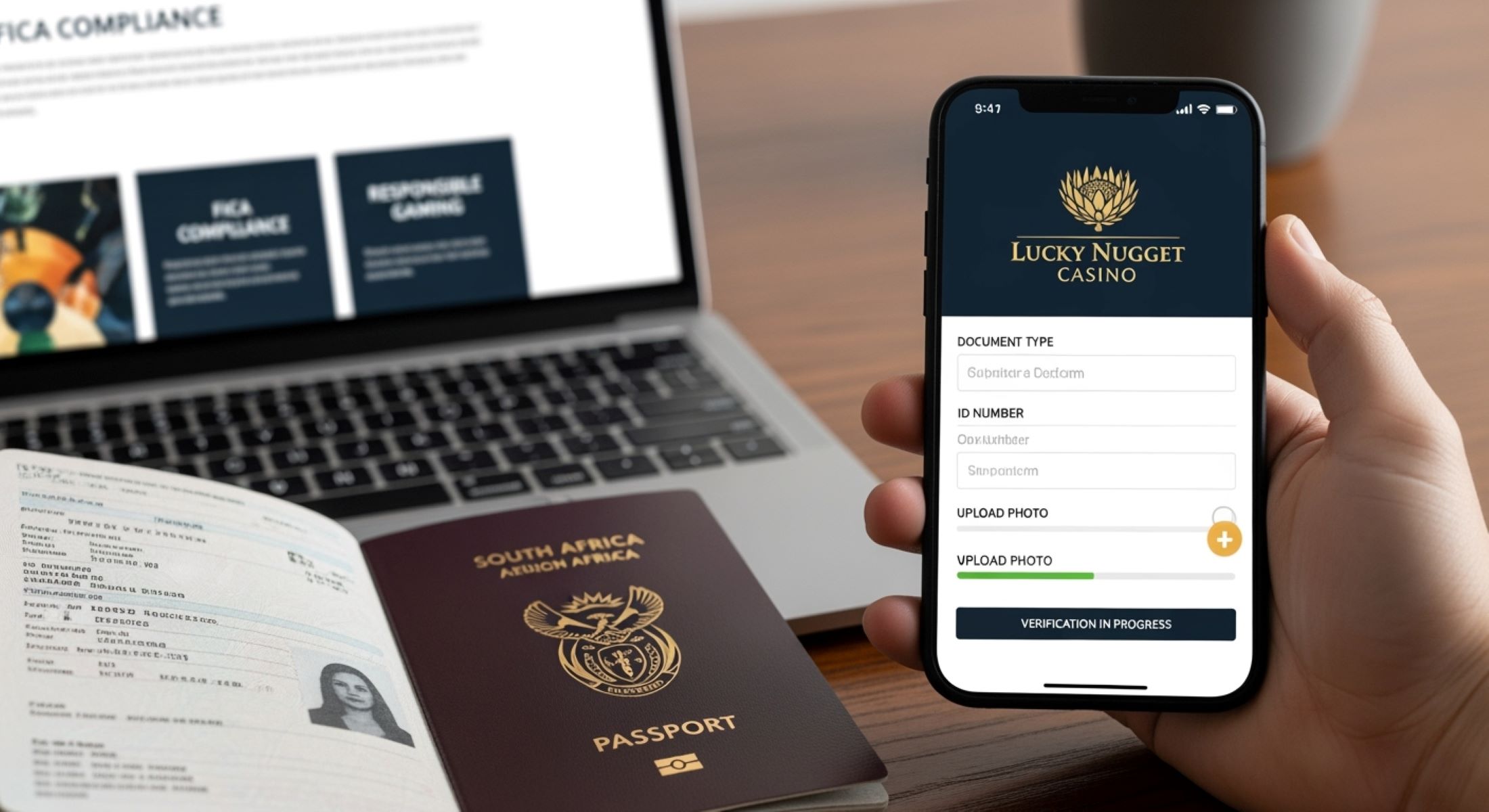
Gambling operators in South Africa, whether online or land-based, have a critical legal obligation to prevent underage individuals from accessing gambling services. This responsibility is taken very seriously under the National Gambling Act of 2004 and related regulations. Operators must implement comprehensive and rigorous age verification procedures to ensure that every customer is at least 18 years old before allowing them to place bets or participate in any gambling activity. Failure to comply with these verification requirements exposes operators to substantial legal penalties, including fines, license suspension, or revocation.
- Verify the customer’s age before any gambling activity takes place.
- Require valid, government-issued identification such as a passport, national ID card, or driver’s license.
- Implement physical ID checks at land-based venues with trained staff who can recognize forged or invalid documents.
- Use digital age verification systems for online operators, which automatically cross-check submitted IDs with government databases.
- Employ biometric verification tools such as facial recognition or fingerprint scans to confirm the identity of the player.
- Require customers to submit a selfie or live photo along with their ID to prevent identity fraud.
- Use third-party verification services specializing in identity and age verification for reliable, real-time checks.
- Conduct random or periodic audits of customers’ age verification records to ensure compliance.
- Maintain detailed and secure records of all age verification activities for auditing by regulators.
- Restrict access to gambling platforms with geolocation technology that blocks underage regions or countries.
- Integrate account lockout features if an underage user is detected or suspected.
- Train employees extensively on age verification policies and legal requirements.
- Display clear age restrictions and warnings on all gambling marketing, websites, and physical venues.
- Develop and enforce internal policies that immediately suspend or terminate accounts found to belong to underage gamblers.
- Report any attempts of underage gambling to the relevant provincial or national gambling authorities.
- Monitor and block attempts to bypass age restrictions using VPNs or proxy servers.
- Implement parental control recommendations and tools to help prevent access by minors.
- Review and update age verification technologies regularly to stay ahead of new fraud methods.
- Establish a compliance officer or team dedicated to overseeing adherence to age verification laws.
- Respond promptly to regulatory inquiries and cooperate fully during inspections or investigations.
- Understand that failure to enforce proper age verification can result in heavy fines, legal prosecution, and loss of operating licenses.